
Small Business Security: CCTV Solutions for NZ Retailers & Offices
Introduction
Running a small business in New Zealand often means wearing multiple hats. You manage staff, customers, suppliers, stock, and finances — and somewhere in that mix, small business security can quietly slip down the priority list. Not because it’s unimportant, but because it feels complex or expensive.
The reality is simpler. Modern CCTV systems have become far more affordable, easier to manage, and more effective than many business owners realise. When set up properly, they don’t just deter theft — they protect staff, reduce disputes, and give owners peace of mind, especially outside business hours.
This guide focuses on small business security from a practical angle, helping NZ retailers and office owners understand how CCTV can fit naturally into day-to-day operations without unnecessary complexity.
Why Small Business Security Matters More Than Ever
Small businesses are often seen as easy targets. Fewer staff, limited monitoring, and predictable hours make them vulnerable — particularly retail stores and small offices.
Strong small business security helps to:
-
Deter theft and vandalism
-
Monitor staff and customer safety
-
Reduce false claims or disputes
-
Support insurance requirements
-
Protect premises after hours
CCTV is no longer just about catching incidents — it’s about preventing them in the first place.
How CCTV Supports Small Business Security
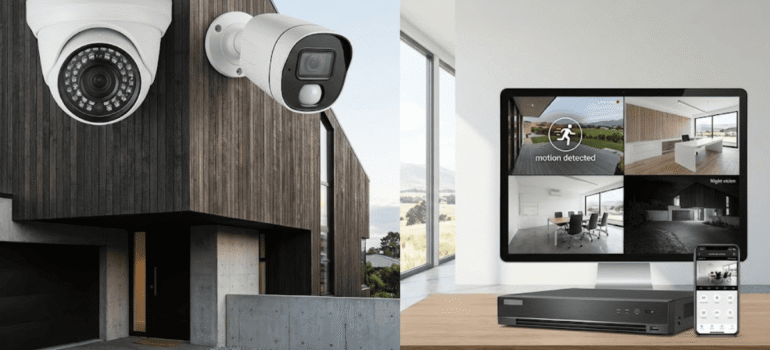
CCTV plays a central role in modern small business security strategies because it works quietly in the background while delivering constant awareness.
For small businesses, CCTV provides:
-
Visual monitoring without extra staff
-
Recorded evidence if incidents occur
-
Real-time access via mobile devices
-
Increased accountability in shared spaces
When installed professionally through CCTV Installation Auckland, systems are designed to suit the layout, lighting, and daily workflow of the business.
Key CCTV Considerations for NZ Retailers
1. Camera Placement in Retail Spaces
Retail environments benefit from visibility rather than hidden surveillance.
Recommended Coverage Areas
-
Entry and exit points
-
Checkout counters
-
Aisles with high-value stock
-
Storage rooms
Well-placed cameras send a clear message that small business security is taken seriously — often enough to deter theft without confrontation.
If installation involves wall mounting near water lines or plumbing fixtures, coordinating with Plumbing Services in Auckland avoids accidental damage during setup.
2. Resolution and Image Clarity
Retail CCTV should clearly capture faces and actions.
Best Practice
-
Minimum 1080p resolution
-
Higher resolution for entrances
-
Wide-angle lenses for aisles
Clear footage strengthens small business security by making recordings actually usable — not just symbolic.
3. Night Vision for After-Hours Protection
Many retail incidents occur outside trading hours. Night vision ensures protection continues even when lights are off.
For shops in older buildings, moisture or roof leaks can affect outdoor camera wiring. In such cases, a Roofing Auckland NZ check helps prevent long-term electrical issues.
CCTV for Office-Based Small Businesses
Office environments face different risks, but small business security remains just as important.
Common Office Security Needs
-
Monitoring entrances
-
Protecting equipment and documents
-
Verifying after-hours access
-
Supporting staff safety
Office CCTV systems tend to focus more on access control and incident review rather than theft prevention.
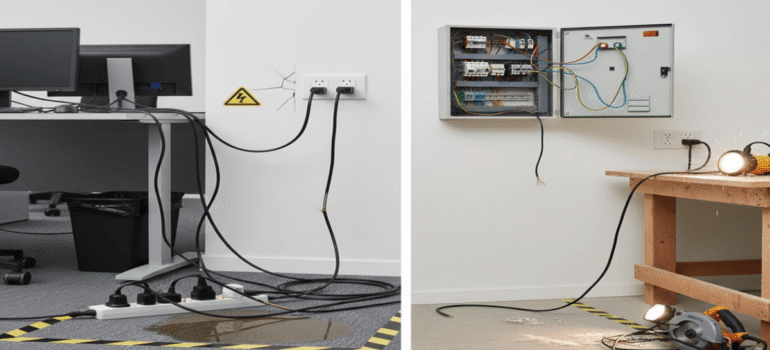
Electrical capacity and outlet placement should always be assessed by a licensed Electrician Auckland NZ to support stable camera operation.
Storage Options for Small Business CCTV
Storage determines how long footage is retained and how easily it can be reviewed — a core part of small business security planning.
Local Storage
-
No monthly fees
-
On-site recording
-
Risk if hardware is damaged
Cloud Storage
-
Access from anywhere
-
Secure off-site backups
-
Requires internet stability
Many NZ businesses choose hybrid systems for balance.
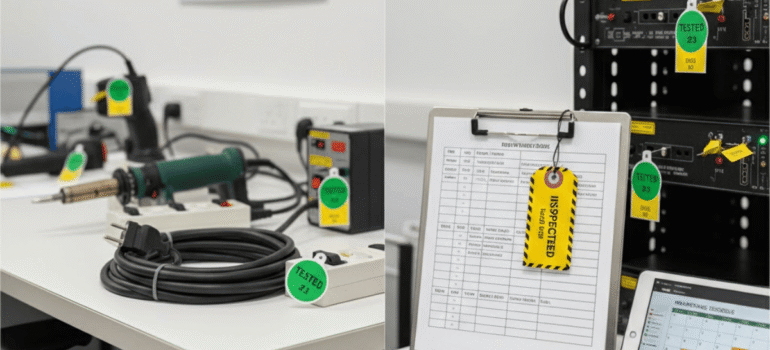
To maintain compliance and safety around recording devices, routine checks via Test and Tag help ensure power supplies and equipment remain safe.
Remote Access: A Game-Changer for Small Business Owners
One of the biggest advantages of modern CCTV is remote monitoring.
Remote access allows owners to:
-
Check stores after hours
-
Monitor opening and closing routines
-
Respond quickly to alerts
-
Feel connected while off-site
For business owners who manage multiple responsibilities, remote access strengthens small business security without increasing workload.
Indoor vs Outdoor Cameras for Small Businesses
Indoor Cameras
-
Monitor staff areas
-
Protect stock rooms
-
Track customer movement
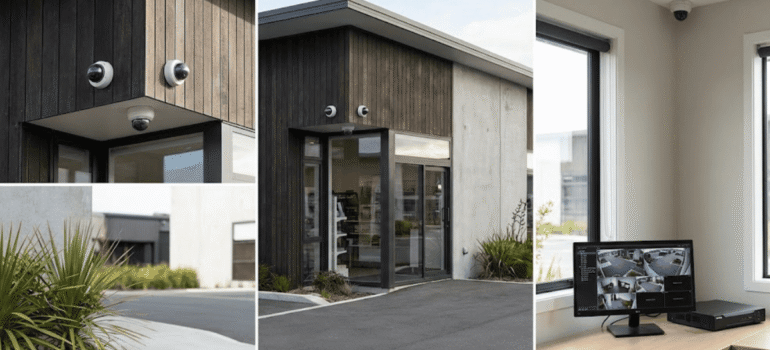
Outdoor Cameras
-
Deter break-ins
-
Monitor car parks
-
Record deliveries
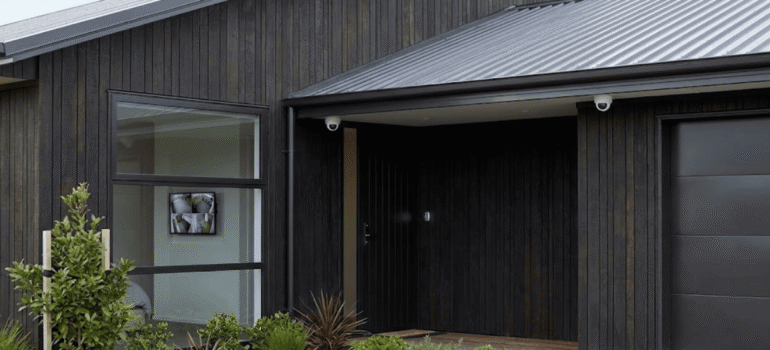
Outdoor cameras near boundaries or access points often pair well with physical upgrades like Fencing Auckland or Fencing New Zealand to create layered security.
Legal and Ethical Considerations in NZ
When implementing CCTV as part of small business security, NZ businesses must consider privacy.
Best Practices
-
Avoid private areas (bathrooms, changing rooms)
-
Display signage informing customers
-
Limit access to footage
-
Retain recordings only as long as needed
Responsible use builds trust while maintaining protection.
Common CCTV Mistakes Small Businesses Make
Even with good intentions, small business security can be weakened by:
-
Installing too few cameras
-
Choosing low-quality systems
-
Ignoring lighting conditions
-
Skipping professional installation
-
Forgetting ongoing maintenance
Working with a trusted provider like Rani Construction helps businesses avoid these costly errors by designing systems around real-world usage.
How to Build a Practical CCTV Plan for Small Businesses
A simple approach:
-
Identify risk areas
-
Decide camera types
-
Choose resolution and storage
-
Plan power and wiring
-
Install professionally
-
Review footage access policies
This method keeps small business security effective without unnecessary complexity.
Conclusion
For NZ retailers and office owners, small business security is no longer optional — it’s a practical part of running a resilient operation. CCTV systems offer visibility, deterrence, and peace of mind when chosen and installed correctly.
The best systems don’t disrupt daily work; they quietly support it. By focusing on clarity, coverage, and compliance, small businesses can protect their people, property, and reputation with confidence.
📣 Stay Connected with RANI CONSTRUCTION
Looking to strengthen small business security with professional CCTV, electrical, or renovation services?
Follow Rani Construction for expert insights and real-world projects:
👉 Facebook: https://www.facebook.com/raniconstructionltd.nz
👉 Instagram: https://www.instagram.com/rani.construction.nz
Let’s create beautiful, functional spaces together.
In Case You Missed These Posts:
- Warning Signs of Pipe Damage in Auckland Homes
- Common Plumbing Issues in Auckland Homes
- Storage Ideas for Small Kitchens
- Choosing Countertop Materials: A Practical Guide for Homeowners
- Modern Kitchen Lighting Guide: A Practical Look at Today’s Kitchen Lighting Trends
- Testing Schedule Guide: How Often to Test Equipment Safely and Correctly
- Workplace Electrical Risks: Common Hazards in Offices, Warehouses & Sites
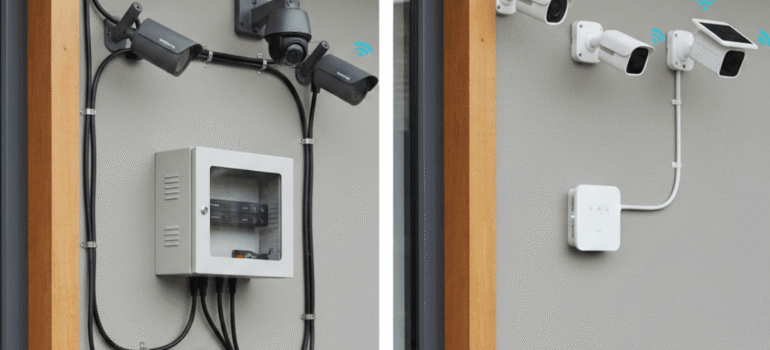
- Wired Wireless CCTV: Comparing Security Systems for Homes & Businesses