
Best Small Business Security – CCTV Solutions for NZ Businesses

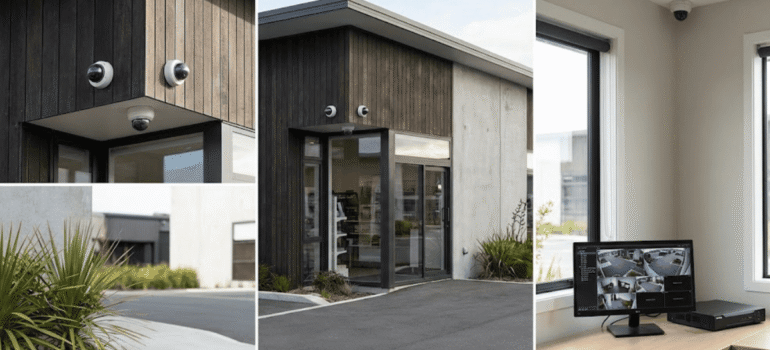
Small Business Security: CCTV Solutions for NZ Retailers & Offices

Introduction

Running a small business in New Zealand often means wearing multiple hats. You manage staff, customers, suppliers, stock, and finances — and somewhere in that mix, small business security can quietly slip down the priority list. Not because it’s unimportant, but because it feels complex or expensive.

The reality is simpler. Modern CCTV systems have become far more affordable, easier to manage, and more effective than many business owners realise. When set up properly, they don’t just deter theft — they protect staff, reduce disputes, and give owners peace of mind, especially outside business hours.

This guide focuses on small business security from a practical angle, helping NZ retailers and office owners understand how CCTV can fit naturally into day-to-day operations without unnecessary complexity.


Why Small Business Security Matters More Than Ever

Small businesses are often seen as easy targets. Fewer staff, limited monitoring, and predictable hours make them vulnerable — particularly retail stores and small offices.

Strong small business security helps to:

  • Deter theft and vandalism

  • Monitor staff and customer safety

  • Reduce false claims or disputes

  • Support insurance requirements

  • Protect premises after hours

CCTV is no longer just about catching incidents — it’s about preventing them in the first place.


How CCTV Supports Small Business Security

CCTV plays a central role in modern small business security strategies because it works quietly in the background while delivering constant awareness.

For small businesses, CCTV provides:

  • Visual monitoring without extra staff

  • Recorded evidence if incidents occur

  • Real-time access via mobile devices

  • Increased accountability in shared spaces

When installed professionally through CCTV Installation Auckland, systems are designed to suit the layout, lighting, and daily workflow of the business.


Key CCTV Considerations for NZ Retailers

1. Camera Placement in Retail Spaces

Retail environments benefit from visibility rather than hidden surveillance.

Recommended Coverage Areas

  • Entry and exit points

  • Checkout counters

  • Aisles with high-value stock

  • Storage rooms

Well-placed cameras send a clear message that small business security is taken seriously — often enough to deter theft without confrontation.

If installation involves wall mounting near water lines or plumbing fixtures, coordinating with Plumbing Services in Auckland avoids accidental damage during setup.


2. Resolution and Image Clarity

Retail CCTV should clearly capture faces and actions.

Best Practice

  • Minimum 1080p resolution

  • Higher resolution for entrances

  • Wide-angle lenses for aisles

Clear footage strengthens small business security by making recordings actually usable — not just symbolic.


3. Night Vision for After-Hours Protection

Many retail incidents occur outside trading hours. Night vision ensures protection continues even when lights are off.

For shops in older buildings, moisture or roof leaks can affect outdoor camera wiring. In such cases, a Roofing Auckland NZ check helps prevent long-term electrical issues.


CCTV for Office-Based Small Businesses

Office environments face different risks, but small business security remains just as important.

Common Office Security Needs

  • Monitoring entrances

  • Protecting equipment and documents

  • Verifying after-hours access

  • Supporting staff safety

Office CCTV systems tend to focus more on access control and incident review rather than theft prevention.

Electrical capacity and outlet placement should always be assessed by a licensed Electrician Auckland NZ to support stable camera operation.


Storage Options for Small Business CCTV

Storage determines how long footage is retained and how easily it can be reviewed — a core part of small business security planning.

Local Storage

  • No monthly fees

  • On-site recording

  • Risk if hardware is damaged

Cloud Storage

  • Access from anywhere

  • Secure off-site backups

  • Requires internet stability

Many NZ businesses choose hybrid systems for balance.

To maintain compliance and safety around recording devices, routine checks via Test and Tag help ensure power supplies and equipment remain safe.


Remote Access: A Game-Changer for Small Business Owners

One of the biggest advantages of modern CCTV is remote monitoring.

Remote access allows owners to:

  • Check stores after hours

  • Monitor opening and closing routines

  • Respond quickly to alerts

  • Feel connected while off-site

For business owners who manage multiple responsibilities, remote access strengthens small business security without increasing workload.


Indoor vs Outdoor Cameras for Small Businesses

Indoor Cameras

  • Monitor staff areas

  • Protect stock rooms

  • Track customer movement

Outdoor Cameras

  • Deter break-ins

  • Monitor car parks

  • Record deliveries

Outdoor cameras near boundaries or access points often pair well with physical upgrades like Fencing Auckland or Fencing New Zealand to create layered security.


Legal and Ethical Considerations in NZ

When implementing CCTV as part of small business security, NZ businesses must consider privacy.

Best Practices

  • Avoid private areas (bathrooms, changing rooms)

  • Display signage informing customers

  • Limit access to footage

  • Retain recordings only as long as needed

Responsible use builds trust while maintaining protection.


Common CCTV Mistakes Small Businesses Make

Even with good intentions, small business security can be weakened by:

  • Installing too few cameras

  • Choosing low-quality systems

  • Ignoring lighting conditions

  • Skipping professional installation

  • Forgetting ongoing maintenance

Working with a trusted provider like Rani Construction helps businesses avoid these costly errors by designing systems around real-world usage.


How to Build a Practical CCTV Plan for Small Businesses

A simple approach:

  1. Identify risk areas

  2. Decide camera types

  3. Choose resolution and storage

  4. Plan power and wiring

  5. Install professionally

  6. Review footage access policies

This method keeps small business security effective without unnecessary complexity.


Conclusion

For NZ retailers and office owners, small business security is no longer optional — it’s a practical part of running a resilient operation. CCTV systems offer visibility, deterrence, and peace of mind when chosen and installed correctly.

The best systems don’t disrupt daily work; they quietly support it. By focusing on clarity, coverage, and compliance, small businesses can protect their people, property, and reputation with confidence.


📣 Stay Connected with RANI CONSTRUCTION

Looking to strengthen small business security with professional CCTV, electrical, or renovation services?
Follow Rani Construction for expert insights and real-world projects:

👉 Facebook: https://www.facebook.com/raniconstructionltd.nz
👉 Instagram: https://www.instagram.com/rani.construction.nz

Let’s create beautiful, functional spaces together.

In Case You Missed These Posts:

Read More
Best CCTV Buying Guide – Features to Look for in Systems

CCTV Buying Guide: Features to Look for in Modern Security Systems

Introduction

Buying a CCTV system today isn’t as simple as picking a camera and mounting it on a wall. With so many options available — different resolutions, storage types, night vision technologies, and mobile access features — it’s easy to feel overwhelmed. That’s exactly why a clear CCTV buying guide matters.

Whether you’re securing a home, office, warehouse, or construction site, the right features make the difference between a system that simply records footage and one that actually protects your property. This guide breaks down the most important features to look for, explained in plain terms, so you can make a confident, practical decision.


Why Choosing the Right CCTV Features Matters

A poorly chosen CCTV system can create a false sense of security. Low image quality, limited storage, or unreliable access often become obvious only after an incident occurs.

A well-planned CCTV buying guide helps you:

  • Capture clear, usable footage

  • Monitor activity in real time

  • Store recordings safely

  • Access cameras remotely

  • Integrate security into daily operations

The goal isn’t to buy the most expensive system — it’s to buy the right one.


Core Features Every CCTV System Should Have

1. Camera Resolution: Clarity Comes First

Resolution determines how clear your footage will be. This is one of the most important decisions in any CCTV buying guide.

Common Resolution Options

  • 720p (HD): Basic monitoring, limited detail

  • 1080p (Full HD): Good clarity for homes and offices

  • 2K / 4MP: Enhanced detail for entrances and walkways

  • 4K / 8MP: High-detail coverage for large or high-risk areas

For most homes and small businesses, 1080p or 2K provides the best balance between clarity and storage usage. Warehouses or sites with long viewing distances benefit from higher resolutions.

Professional CCTV Installation Auckland services can recommend the right resolution based on camera placement and coverage needs.


2. Night Vision: Seeing Clearly After Dark

Criminal activity doesn’t stop at sunset, which makes night vision essential.

Types of Night Vision

  • Infrared (IR): Black-and-white images in complete darkness

  • ColorVu / Low-Light Color: Full-colour footage with minimal lighting

  • Spotlight-Assisted Vision: Uses built-in LEDs for colour night recording

For outdoor areas, night vision performance becomes even more important. If cameras are mounted near external walls or roofs, checking structural integrity through Roofing Auckland NZ inspections helps prevent moisture damage to cabling or fixtures.


3. Storage Options: Where Your Footage Lives

Storage determines how long footage is kept and how easily it can be accessed.

Common Storage Types

  • Local DVR/NVR: Records footage on-site

  • Cloud Storage: Access recordings from anywhere

  • Hybrid Storage: Combines local and cloud backup

Local storage avoids monthly fees but can be damaged or stolen. Cloud storage offers flexibility but depends on internet reliability.

In commercial environments where electrical reliability matters, routine safety checks like Test and Tag ensure recording equipment stays compliant and operational.


4. Remote Access and Mobile Monitoring

One of the biggest expectations today is being able to view cameras remotely.

What to Look For

  • Mobile apps (Android & iOS)

  • Live viewing

  • Playback access

  • Push notifications for motion detection

Remote access allows homeowners and business owners to stay connected no matter where they are.

To ensure stable connections and safe power supply, outlet placement and wiring should be handled by a licensed Electrician Auckland NZ.


Advanced Features Worth Considering

5. Motion Detection and Alerts

Motion detection turns passive cameras into active security tools.

Smart Motion Features

  • Human detection

  • Zone-based alerts

  • Reduced false alarms

  • Custom notification schedules

This is especially useful in offices, warehouses, or areas near entrances.


6. Audio Recording and Two-Way Talk

Some systems offer built-in microphones and speakers.

Best Uses

  • Front door communication

  • Staff interaction

  • Deterrence warnings

Be mindful of privacy laws when using audio recording, particularly in workplaces.


7. Weather Resistance for Outdoor Cameras

Outdoor cameras must handle rain, dust, and temperature changes.

What to Check

  • IP66 or IP67 rating

  • UV-resistant casing

  • Sealed cable connections

Outdoor installations near boundaries often pair well with physical security upgrades like Fencing Auckland or Fencing New Zealand for layered protection.


CCTV Features for Different Environments

Homes

Homeowners typically prioritise:

  • Ease of use

  • Remote access

  • Smart alerts

  • Clean installation

CCTV upgrades are often combined with interior projects such as Kitchen Renovation or layout changes, where minimal disruption is preferred.


Offices

Office environments benefit from:

  • Centralised monitoring

  • Clear entry/exit coverage

  • Long-term storage

  • Compliance documentation

Electrical and network infrastructure should be reviewed by professionals, especially when adding multiple cameras.


Warehouses and Sites

High-risk environments require:

  • High-resolution cameras

  • Wide-angle lenses

  • Reliable storage

  • Night vision

Sites offering plumbing, construction, or renovation services may already be working with Plumbing Services in Auckland — coordinating CCTV installation alongside other trades reduces disruption and improves safety.


Common Mistakes When Buying CCTV Systems

Even with a good CCTV buying guide, buyers often make these mistakes:

  • Choosing low resolution to save money

  • Ignoring night vision performance

  • Underestimating storage needs

  • Assuming Wi-Fi is always reliable

  • Skipping professional installation

Working with an experienced provider like Rani Construction helps design systems that suit real-world conditions rather than showroom promises.


How to Choose the Right CCTV System Step by Step

  1. Identify areas you need to monitor

  2. Decide indoor vs outdoor cameras

  3. Choose appropriate resolution

  4. Select storage type

  5. Confirm remote access features

  6. Arrange professional installation

This structured approach ensures no key feature is overlooked.


Conclusion

A well-chosen CCTV system is built on clarity, not complexity. By following a practical CCTV buying guide, homeowners and businesses can focus on features that truly matter — resolution, night vision, reliable storage, and remote access.

The best systems don’t just record footage; they provide awareness, deterrence, and peace of mind. And with professional planning and installation, CCTV becomes a long-term security asset rather than a short-term fix.


📣 Stay Connected with RANI CONSTRUCTION

Looking to secure your property with expert CCTV, electrical, plumbing, or renovation services?
Follow Rani Construction for insights, real-world projects, and professional guidance:

👉 Facebook: https://www.facebook.com/raniconstructionltd.nz
👉 Instagram: https://www.instagram.com/rani.construction.nz

Let’s create beautiful, functional spaces together.

In Case You Missed These Posts:

Read More
Security Insurance Benefits – How CCTV Lowers Claims

Security Insurance Benefits: How CCTV Reduces Insurance Claims

Introduction

Insurance is meant to protect businesses and homeowners when things go wrong — but insurers don’t just look at what happens after an incident. They also pay close attention to how risks are managed before one occurs. This is where security insurance benefits become especially relevant.

CCTV systems are no longer viewed as optional extras. For many insurers, they are tangible proof that a property owner takes risk seriously. Whether it’s a retail shop, office, warehouse, or mixed-use property, surveillance systems reduce uncertainty, limit false claims, and help insurers assess incidents with clarity rather than assumption.

This article explains why insurers value CCTV, how it reduces insurance claims, and how businesses in New Zealand can benefit from better coverage outcomes by investing in the right security systems.


Why Insurers Care About Risk Prevention

Insurance providers operate on probability. The lower the risk, the lower the likelihood of a claim — and the better the terms they can offer.

Strong security insurance benefits help insurers by:

  • Reducing the frequency of claims

  • Minimising claim severity

  • Providing evidence for investigations

  • Discouraging fraudulent activity

  • Supporting faster claim resolution

CCTV directly supports all of these points, which is why it often appears in insurer risk-assessment questionnaires.


How CCTV Directly Reduces Insurance Claims

1. Deterrence: Preventing Incidents Before They Happen

The simplest but most effective benefit of CCTV is deterrence.

Visible cameras discourage:

  • Theft

  • Vandalism

  • Break-ins

  • False liability claims

When incidents don’t occur, claims don’t follow. This is one of the most straightforward security insurance benefits CCTV provides — fewer incidents mean fewer payouts for insurers.

Professional CCTV Installation Auckland ensures cameras are positioned where they have maximum deterrent value rather than just decorative presence.


2. Clear Evidence When Claims Are Filed

When an incident does happen, insurers need facts.

CCTV footage provides:

  • Time-stamped evidence

  • Clear sequence of events

  • Visual confirmation of damage or behaviour

  • Reduced reliance on conflicting statements

This clarity reduces disputes, accelerates investigations, and strengthens legitimate claims — a key part of long-term security insurance benefits.


3. Reducing Fraudulent Claims

Insurance fraud costs providers millions each year. CCTV significantly reduces this risk.

Examples include:

  • False slip-and-fall claims

  • Exaggerated damage reports

  • Disputed delivery incidents

  • Staff misconduct allegations

Insurers favour properties where surveillance limits ambiguity. This makes CCTV a powerful risk-management asset rather than just a security tool.


Why Insurers Prefer Professionally Installed CCTV

Not all CCTV systems are viewed equally by insurers. DIY setups may help, but professionally installed systems carry more weight.

Insurers value systems that:

  • Are correctly positioned

  • Use reliable power sources

  • Have consistent recording

  • Include proper storage and backups

That’s why working with experienced providers like Rani Construction strengthens the credibility of your security setup when dealing with insurers.

If camera installation involves wiring or power adjustments, compliance is reinforced when handled by a licensed Electrician Auckland NZ.


Security Insurance Benefits for Different Property Types

Retail Businesses

Retail environments experience higher theft and liability risk.

CCTV helps insurers by:

  • Verifying shoplifting incidents

  • Reviewing customer injury claims

  • Confirming staff procedures

Retailers often combine CCTV with layout upgrades or Kitchen Renovation projects, ensuring surveillance adapts to new store designs.


Offices and Commercial Spaces

Office claims often involve:

  • After-hours break-ins

  • Equipment theft

  • Workplace incidents

CCTV footage supports insurers by confirming access times and movement patterns, improving claim accuracy and reducing disputes — clear security insurance benefits for long-term coverage stability.


Warehouses and Industrial Sites

Warehouses face higher-value claims due to:

  • Machinery damage

  • Stock loss

  • Vehicle incidents

In these environments, insurers often expect:

  • High-resolution cameras

  • Night vision

  • Secure storage

Routine equipment safety checks via Test and Tag also support safer conditions, further lowering claim risk.


Construction and Trade Sites

Temporary sites carry elevated risk. CCTV provides:

  • Monitoring of tools and materials

  • Verification of incidents

  • Protection during off-hours

Sites offering plumbing or renovation services benefit when CCTV complements Plumbing Services in Auckland by reducing exposure to water-related electrical risks that insurers closely monitor.


Environmental Factors Insurers Evaluate

Insurers don’t just look at cameras — they assess the environment.

Moisture and Structural Risk

Water ingress increases electrical and fire risk. If CCTV wiring runs near roofs or gutters, unresolved leaks can weaken security insurance benefits.

That’s why insurers value proactive maintenance such as Roofing Auckland NZ checks alongside surveillance upgrades.


Perimeter and Access Control

Properties with controlled boundaries are considered lower risk.

CCTV paired with physical security like Fencing Auckland or Fencing New Zealand creates layered protection — something insurers consistently favour.


How CCTV Influences Premiums and Policy Terms

While CCTV doesn’t guarantee lower premiums automatically, it often leads to:

  • More favourable risk assessments

  • Reduced exclusions

  • Faster claim approval

  • Lower excess requirements

These outcomes represent long-term security insurance benefits that compound over time rather than offering one-off savings.


Common Mistakes That Reduce Insurance Benefits

Even with CCTV installed, mistakes can weaken its impact on insurance.

1. Poor Camera Coverage

Blind spots limit evidence value.

2. Low Image Quality

Footage that can’t identify people or events may be rejected.

3. No Recording Retention

Insurers may request footage weeks after an incident.

4. Non-Compliant Electrical Setup

Unsafe power supply raises risk rather than reducing it.

Professional installation and maintenance prevent these issues and protect security insurance benefits.


Best Practices to Maximise Security Insurance Benefits

To get the most from CCTV in insurance terms:

  • Install cameras professionally

  • Maintain clear signage

  • Keep footage retention policies documented

  • Test equipment regularly

  • Combine CCTV with physical security

  • Address environmental risks promptly

These steps position CCTV as a genuine risk-reduction measure, not just a monitoring tool.


Conclusion

CCTV systems do far more than record footage — they actively shape how insurers view risk. The security insurance benefits of surveillance include fewer incidents, clearer evidence, reduced fraud, and faster claim resolution.

For NZ businesses and property owners, CCTV is not just about security — it’s about credibility. When insurers see well-planned, professionally installed systems backed by safe electrical and structural conditions, confidence increases on both sides.

With expert planning and installation from Rani Construction, CCTV becomes a long-term asset that protects people, property, and insurance outcomes alike.


📣 Stay Connected with RANI CONSTRUCTION

Looking to strengthen your security setup and improve insurance outcomes?
Follow Rani Construction for expert guidance, real projects, and compliance-focused solutions:

👉 Facebook: https://www.facebook.com/raniconstructionltd.nz
👉 Instagram: https://www.instagram.com/rani.construction.nz

Let’s create beautiful, functional spaces together.

In Case You Missed These Posts:

Read More
Best Testing Schedule Guide – How Often to Test Equipment NZ

Testing Schedule Guide: How Often to Test Equipment Safely and Correctly

Introduction

Knowing what equipment to test is only half the story. The real confusion for most businesses and homeowners comes down to how often testing should actually happen. Too frequent, and you waste time and money. Too infrequent, and you risk safety breaches, compliance issues, or equipment failure. That’s why a clear testing schedule guide is essential.

Different industries, environments, and usage levels all follow different rules. A construction site doesn’t operate like an office. A commercial kitchen doesn’t face the same risks as a residential home. This guide breaks down equipment testing frequency in a way that’s practical, compliant with NZ expectations, and easy to apply.


Why Equipment Testing Frequency Matters

Equipment testing isn’t just about ticking a box. It protects people, property, and business continuity.

A proper testing schedule guide helps to:

  • Reduce electrical hazards

  • Prevent equipment failure

  • Meet workplace safety standards

  • Avoid insurance complications

  • Extend equipment lifespan

Skipping or delaying tests can quietly increase risk — especially in environments where equipment is heavily used or exposed to moisture, dust, or physical wear.


Key Factors That Determine Testing Frequency

Before jumping into industry-specific rules, it’s important to understand what actually influences how often equipment should be tested.

1. Type of Equipment

High-powered or portable electrical tools usually require more frequent checks than fixed or low-risk appliances.

2. Usage Frequency

Equipment used daily faces more wear than items used occasionally.

3. Environmental Conditions

Moisture, heat, dust, vibration, and outdoor exposure all increase testing requirements.

4. Movement and Handling

Portable equipment is more likely to suffer cable damage or internal faults.

5. Industry Regulations

Some industries have strict compliance expectations, while others allow more flexibility.

A good testing schedule guide considers all of these factors together — not just one.


Testing Frequency by Industry

Construction and Trades

Construction sites are considered high-risk environments due to frequent movement, harsh conditions, and heavy equipment use.

Recommended Testing Schedule

  • Portable tools: every 3 months

  • Extension leads: every 3 months

  • Fixed equipment: every 6–12 months

For construction companies managing multiple services — such as plumbing, electrical work, and renovations — compliance is critical. Businesses offering Plumbing Services in Auckland often work in wet conditions, increasing electrical risk and making regular testing essential.


Manufacturing and Industrial Sites

Factories and industrial facilities use high-powered machinery that runs for long periods.

Recommended Testing Schedule

  • Portable equipment: every 6 months

  • Fixed machinery: annually

  • Control panels and switchboards: annually

Environmental factors like vibration and dust play a major role here.


Commercial Kitchens and Hospitality

Commercial kitchens combine electricity, water, heat, and constant use — a high-risk mix.

Recommended Testing Schedule

  • Portable appliances: every 6 months

  • Fixed equipment: annually

Many hospitality environments also undergo renovation or layout changes. If your kitchen setup changes, working alongside professionals handling Kitchen Renovation ensures testing schedules stay aligned with new equipment placement.


Offices and Low-Risk Environments

Office environments are generally low-risk, but testing is still necessary.

Recommended Testing Schedule

  • Portable equipment: every 12 months

  • Fixed equipment: every 2–5 years

Despite lower risk, businesses still need documented testing to meet health and safety obligations.


Retail and Public-Facing Businesses

Shops, salons, and public venues experience frequent equipment handling and customer interaction.

Recommended Testing Schedule

  • Portable equipment: every 6–12 months

  • Extension leads: every 6 months

For businesses that also rely on security systems, combining electrical testing with CCTV Installation Auckland maintenance keeps operations safe and reliable.


Environmental Impact on Testing Frequency

Wet or Damp Areas

Bathrooms, kitchens, and outdoor spaces increase electrical risk.

This is especially relevant for projects involving Bathroom Renovations or plumbing-heavy environments, where water exposure demands tighter testing schedules.

Outdoor Equipment

Outdoor tools and appliances should be tested more frequently due to weather exposure.

If outdoor power points or equipment are located near boundaries or access points, upgrades such as Fencing Auckland or Fencing New Zealand may also be considered to improve overall safety.


What Happens During a Test and Tag Check

A proper Test and Tag process includes:

  • Visual inspection for damage

  • Electrical safety testing

  • Tagging with test date and due date

  • Documentation for compliance

Professional Test and Tag services ensure results are accurate, traceable, and compliant with NZ safety expectations.


Common Mistakes Businesses Make

Even with a testing schedule guide, mistakes still happen.

1. Using One Schedule for Everything

Different tools need different testing intervals.

2. Ignoring Environmental Changes

Moving equipment from indoors to outdoors changes risk level instantly.

3. Poor Record Keeping

Missing documentation can fail audits even if testing occurred.

4. Delaying After Repairs

Any repaired or modified equipment should be re-tested immediately.


How to Build Your Own Testing Schedule Guide

A simple process:

  1. List all electrical equipment

  2. Classify by usage and environment

  3. Assign testing intervals

  4. Schedule reminders

  5. Keep records updated

For businesses managing multiple services — plumbing, electrical, renovations, roofing — working with a single trusted provider like Rani Construction helps centralise compliance and safety management.

If your facility has structural concerns or water ingress risks, addressing issues through Roofing Auckland NZ can also reduce electrical hazards over time.


Conclusion

A clear testing schedule guide removes guesswork from equipment safety. By aligning testing frequency with industry standards, usage patterns, and environmental risks, businesses can stay compliant without unnecessary disruption.

Regular testing isn’t about overdoing safety — it’s about applying it intelligently. With professional testing, proper documentation, and timely reviews, equipment stays safe, reliable, and ready for use.


📣 Stay Connected with RANI CONSTRUCTION

Need help with electrical safety, renovations, plumbing, or compliance services?
Follow Rani Construction for expert insights and real-world project updates:

👉 Facebook: https://www.facebook.com/raniconstructionltd.nz
👉 Instagram: https://www.instagram.com/rani.construction.nz

Let’s create beautiful, functional spaces together.

In Case You Missed These Posts:

Read More
Workplace Electrical Risks – Common Hazards & Safety Guide

Workplace Electrical Risks: Common Hazards in Offices, Warehouses & Sites

Introduction

Electricity keeps modern workplaces running, but it also introduces risks that are often underestimated. Loose cables, overloaded sockets, damaged tools — these things don’t always look dangerous until something goes wrong. Understanding workplace electrical risks is essential for keeping people safe, operations compliant, and businesses protected from avoidable downtime.

From quiet office spaces to busy warehouses and active construction sites, electrical hazards show up in different ways. This guide focuses on awareness — not fear — explaining where the most common risks appear and how workplaces can reduce them through smarter planning, regular testing, and professional support.


Why Workplace Electrical Risks Should Never Be Ignored

Electrical hazards are rarely dramatic at first. They tend to build quietly — through wear, shortcuts, or outdated systems.

Unchecked workplace electrical risks can lead to:

  • Electric shock or burns

  • Fires caused by overheating

  • Equipment failure and downtime

  • Failed safety audits

  • Insurance complications

The good news is that most of these risks are preventable with awareness and routine checks.


Common Workplace Electrical Hazards

1. Damaged Cables and Extension Leads

Frayed cords, crushed cables, and exposed wires are among the most common electrical hazards across all workplaces.

Where This Happens Most

  • Offices with temporary desk setups

  • Warehouses with frequent equipment movement

  • Construction sites with portable tools

Damaged cables should be removed from use immediately. In environments where water is also present — such as sites supported by Plumbing Services in Auckland — the risk becomes even higher.


2. Overloaded Power Points and Power Boards

Plugging too many devices into one outlet is a frequent issue, especially in offices.

Why It’s Dangerous

  • Causes overheating

  • Increases fire risk

  • Can damage connected equipment

If your workplace is expanding or adding new equipment, a certified Electrician Auckland NZ should assess whether additional circuits or outlets are required.


3. Improper Use of Extension Leads

Extension leads are designed for temporary use, yet they’re often used as permanent solutions.

Common Problems

  • Leads running under carpets

  • Outdoor leads used indoors (or vice versa)

  • Daisy-chaining multiple power boards

These practices significantly increase workplace electrical risks, particularly in warehouses and temporary site offices.


4. Faulty or Untested Electrical Equipment

Equipment that hasn’t been checked regularly is a hidden hazard.

Examples

  • Portable heaters

  • Power tools

  • Office printers and kettles

  • Site machinery

Routine inspections and professional Test and Tag services help identify faults before they cause harm.


5. Exposure to Water and Moisture

Electricity and moisture are a dangerous combination.

High-Risk Areas

  • Kitchens and break rooms

  • Bathrooms and wash areas

  • Outdoor work zones

  • Construction sites

This is especially relevant during Bathroom Renovations or in environments where plumbing work is ongoing.


Electrical Hazards in Different Workplace Environments

Offices

Offices may appear low-risk, but hazards still exist.

Typical Office Risks

  • Overloaded power boards

  • Desk heaters under workstations

  • Cables across walkways

Even simple office setups benefit from periodic reviews by a licensed Electrician Auckland NZ.


Warehouses

Warehouses involve movement, machinery, and heavier electrical loads.

Common Warehouse Hazards

  • Damaged cables from forklifts

  • High-powered machinery without proper testing

  • Temporary wiring setups

Warehouses near external access points may also integrate security systems, making regular checks of CCTV Installation Auckland part of broader electrical safety.


Construction Sites

Construction sites present the highest level of workplace electrical risks.

Why Risk Is Higher

  • Constant equipment movement

  • Harsh environmental conditions

  • Temporary power supplies

Sites offering services like fencing, roofing, or renovations must be particularly vigilant. Outdoor work near boundaries may require upgrades such as Fencing Auckland or Fencing New Zealand to control access and improve safety.


Warning Signs That Electrical Risks Are Increasing

Be alert if you notice:

  • Warm power points

  • Tripping circuit breakers

  • Flickering lights

  • Burning smells

  • Equipment malfunction

These are early indicators that professional inspection is needed.


Reducing Workplace Electrical Risks Effectively

1. Schedule Regular Inspections

Don’t wait for an incident. Regular testing reduces long-term risk.

2. Use Certified Professionals

Electrical systems should only be installed or modified by qualified experts like Electrician Auckland NZ.

3. Keep Equipment Tested and Tagged

Routine Test and Tag ensures faulty devices are removed early.

4. Address Structural and Environmental Issues

Water leaks or roof damage can introduce hidden hazards. In such cases, Roofing Auckland NZ assessments can prevent electrical exposure caused by moisture ingress.

5. Train Staff

Awareness among staff reduces risky behaviour and encourages early reporting.


The Role of Professional Support

Workplaces often juggle multiple services — electrical, plumbing, renovations, security, and maintenance. Working with one experienced provider like Rani Construction helps streamline safety management and ensures hazards aren’t addressed in isolation.


Conclusion

Understanding and managing workplace electrical risks is about awareness, consistency, and responsibility. Offices, warehouses, and construction sites each face different challenges, but the core principles remain the same: identify hazards early, test equipment regularly, and involve qualified professionals.

A proactive approach doesn’t just protect people — it protects productivity, reputation, and long-term business health.


📣 Stay Connected with RANI CONSTRUCTION

For expert support in electrical safety, testing, renovations, plumbing, and compliance services, follow Rani Construction:

👉 Facebook: https://www.facebook.com/raniconstructionltd.nz
👉 Instagram: https://www.instagram.com/rani.construction.nz

Let’s create beautiful, functional spaces together.

In Case You Missed These Posts:

Read More
Wired Wireless CCTV – Security Systems Compared NZ

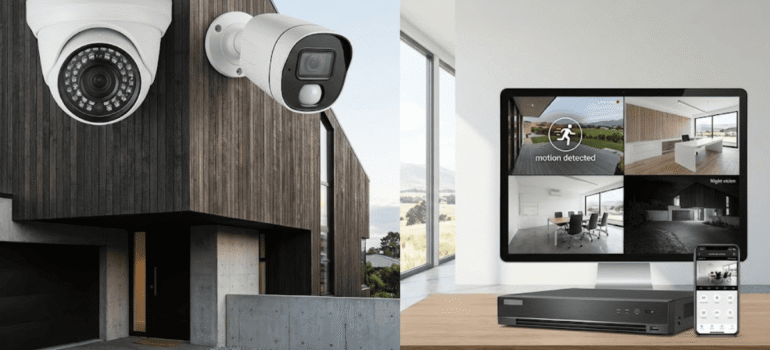
Wired Wireless CCTV: Comparing Security Systems for Homes & Businesses
Introduction

Choosing the right security system isn’t just about cameras anymore — it’s about how those cameras connect, operate, and fit into your daily routine. That’s where the debate around wired wireless CCTV systems comes in. Both options have clear strengths, and both come with trade-offs that matter differently depending on whether you’re securing a home, office, warehouse, or construction site.

Some people prefer the reliability of wired systems. Others value the flexibility and quick setup of wireless options. This guide breaks down both approaches in practical terms, helping homeowners and businesses understand which system makes sense for their space, budget, and long-term plans.


Understanding Wired vs Wireless CCTV Systems

Before diving into pros and cons, let’s clarify the difference.

  • Wired CCTV systems use physical cables for power and data transmission.

  • Wireless CCTV systems transmit video data wirelessly (usually over Wi-Fi) but often still require power cables.

In any wired wireless CCTV comparison, it’s important to remember that “wireless” doesn’t always mean completely cable-free.


Wired CCTV Systems: Pros and Cons

Advantages of Wired CCTV Systems

1. Reliable Signal and Stable Performance

Wired systems are less affected by Wi-Fi interference, network congestion, or signal dropouts. This makes them ideal for businesses that require uninterrupted surveillance.

2. Better for Large Properties

Warehouses, factories, and large commercial buildings benefit from wired systems because cameras don’t rely on wireless range limitations.

3. Higher Video Quality Over Distance

Wired connections handle high-resolution footage more consistently, especially across longer cable runs.

4. Increased Security Against Signal Hacking

Since data travels through cables rather than open networks, wired systems are harder to intercept.

For commercial properties installing fixed systems, professional CCTV Installation Auckland ensures cabling is routed safely and discreetly.


Disadvantages of Wired CCTV Systems

1. Complex Installation

Running cables through walls, ceilings, or underground requires more labour and planning.

2. Less Flexibility

Once installed, relocating cameras isn’t simple.

3. Higher Initial Cost

Labour, cabling, and installation costs are usually higher upfront.

If installation involves drilling near plumbing lines, coordinating with experienced Plumbing Services in Auckland prevents accidental damage to water systems.


Wireless CCTV Systems: Pros and Cons

Advantages of Wireless CCTV Systems

1. Easier and Faster Installation

Wireless systems are quicker to install, making them popular for homes, small offices, and temporary setups.

2. Flexible Camera Placement

Cameras can be moved or added easily, which suits growing businesses or evolving layouts.

3. Remote Access and Smart Integration

Wireless cameras integrate seamlessly with mobile apps, cloud storage, and smart home systems.

4. Lower Upfront Costs

Fewer cables and less labour generally reduce initial installation expenses.

Many homeowners choose wireless systems as part of broader home upgrades or Kitchen Renovation projects, where minimal disruption is preferred.


Disadvantages of Wireless CCTV Systems

1. Dependence on Wi-Fi Quality

Weak or unstable networks can affect video performance.

2. Potential Interference

Wireless signals may experience interference from other devices.

3. Battery Maintenance

Some wireless cameras require regular battery replacement or charging.

For wireless systems running on electrical outlets, having a certified Electrician Auckland NZ assess outlet placement improves safety and reliability.


Wired Wireless CCTV: Which Is Better for Homes?

Homes and Residential Properties

Wireless CCTV systems often suit homes best due to:

  • Simple installation

  • App-based monitoring

  • Smart home compatibility

  • Minimal structural changes

However, larger homes or properties with outdoor coverage needs may benefit from a hybrid wired wireless CCTV setup for stability and coverage.

Outdoor camera placement near boundaries or access points often pairs well with security-focused upgrades like Fencing Auckland or Fencing New Zealand.


Wired Wireless CCTV: Which Is Better for Businesses?

Offices, Warehouses, and Commercial Sites

Businesses usually prioritise reliability and scalability.

Wired Systems Work Best When:

  • The site is large

  • Cameras must run continuously

  • Video quality is critical

  • Long-term monitoring is required

Wireless Systems Work Best When:

  • Layouts change often

  • Installation time must be minimal

  • Remote access is essential

Warehouses or sites exposed to dust, moisture, or physical impact may also require routine safety checks through Test and Tag to ensure camera power supplies remain compliant.


Environmental and Structural Factors to Consider

Building Structure

Thick concrete walls or metal framing can weaken wireless signals, making wired systems more reliable.

Moisture and Weather Exposure

Outdoor installations must account for rain and humidity. Roof leaks can introduce electrical risks, making Roofing Auckland NZ inspections important before installation.

Power Availability

Wireless cameras still need power. If outlets are limited, electrical upgrades by Electrician Auckland NZ may be required.


Hybrid CCTV Systems: The Best of Both Worlds

Many modern installations combine wired and wireless components. This hybrid wired wireless CCTV approach allows:

  • Wired cameras in critical zones

  • Wireless cameras in flexible or low-risk areas

  • Centralised monitoring

Hybrid systems are increasingly popular in NZ homes and businesses seeking balance between performance and adaptability.


Common Mistakes When Choosing CCTV Systems

  • Assuming wireless means no cables

  • Ignoring Wi-Fi strength

  • Overlooking future expansion

  • Skipping professional installation

  • Failing to consider electrical safety

Working with an experienced provider like Rani Construction helps avoid these issues by designing systems that suit the property from day one.


Conclusion

Choosing between wired wireless CCTV systems isn’t about which is better overall — it’s about which is better for your environment. Wired systems offer reliability and strength for large or permanent installations, while wireless systems deliver flexibility and ease for homes and smaller businesses.

By considering property size, network reliability, security needs, and future growth, you can select a system that protects your space effectively. And with professional support, your CCTV setup becomes a long-term asset rather than a short-term fix.


📣 Stay Connected with RANI CONSTRUCTION

Looking to secure your home or business with professional CCTV, electrical, or renovation services?
Follow Rani Construction for expert guidance and real-world project updates:

👉 Facebook: https://www.facebook.com/raniconstructionltd.nz
👉 Instagram: https://www.instagram.com/rani.construction.nz

Let’s create beautiful, functional spaces together.

In Case You Missed These Posts:

Read More
Explore Kitchen Budget Tips Smart Tips for Every Home

Budget-Friendly Kitchen Upgrades

Upgrading a kitchen doesn’t always require a full renovation or a large budget. In fact, with the right planning, a few clever choices, and a practical understanding of where to spend and where to save, most homeowners can dramatically refresh their kitchen without overspending. This guide explores kitchen budget tips that feel achievable and realistic — whether you’re updating fixtures, improving storage, refreshing your layout, or working on minor enhancements that still make a big visual impact.

Throughout the article, you’ll also find genuinely useful guidance on when to bring in professionals like Plumbing Services in Auckland or a certified Electrician Auckland NZ specialist to keep your upgrades safe, compliant, and long-lasting.

By the time you reach the end, you’ll have a clear roadmap for transforming your kitchen without financial stress — plus key takeaways and frequently asked questions to support your planning.


🏡 Budget-Friendly Kitchen Upgrades (3000+ Words of Fully Optimized Guidance)

A Practical, Realistic Guide Packed with Expert-Level Kitchen Budget Tips


1. Why Budget-Friendly Kitchen Upgrades Matter Today

Kitchens have evolved far beyond “just a cooking space.” They’re where people gather, talk, relax, and even work. But the truth is, a full kitchen renovation can be expensive — sometimes overwhelmingly so. For many homeowners, the smarter path begins with strategic, lower-cost improvements.

Here’s where thoughtful kitchen budget tips make a difference. Instead of tearing everything out, you look for impactful changes: improved lighting, new hardware, better storage, and subtle modifications that transform how the space feels. And sometimes, it’s as simple as getting an expert to tidy up what already exists — like calling professional Plumbing Services when old pipes or leaky fittings start increasing costs over time.

Even small upgrades can create an atmosphere of freshness and function, proving you don’t need a full rebuild to love your kitchen again.


2. Start with a Clear Budget (Even a Small One Works)

It’s surprisingly easy to overspend on kitchen projects. You buy one new appliance, then suddenly the lighting looks outdated, and from there it spirals. The first rule in all kitchen budget tips is clarity — know the exact amount you’re willing to invest.

A few guidelines:

  • Set aside 10–15% of your budget for unexpected repairs

  • Allocate the largest chunk to essential repairs (plumbing, electrical)

  • Prioritize function over aesthetics if you must choose

This clarity also helps you understand when professionals are needed. A malfunctioning outlet, for example, isn’t a DIY moment — you’ll want an expert Electrician Auckland NZ to handle it safely and properly.


3. Upgrade Lighting for Immediate Impact

Lighting is one of the most affordable transformations you can make. A kitchen instantly feels newer when the lighting is cleaner, brighter, and designed for daily tasks.

Here’s why lighting matters:

  • It changes how colors appear

  • It makes the room feel larger

  • It affects energy usage

  • It improves workflow at night

You don’t always need an entire electrical overhaul. Still, if your wiring is outdated or you’re installing LED strips, pendant lighting, or under-cabinet lighting, consulting a licensed Electrician Auckland NZ keeps your upgrade aligned with safety standards.


4. Refresh Cabinets Instead of Replacing Them

Cabinetry usually consumes 30–40% of total renovation cost — which is exactly why this section holds some of the most valuable kitchen budget tips.

Instead of replacing, consider:

  • Painting cabinets (white, grey, matte black are timeless)

  • Replacing only the cabinet doors

  • Updating handles and hinges

  • Adding soft-close hardware

  • Removing cabinet doors for an open-shelf look

Painting alone can make a dated kitchen feel completely new. And because hardware is inexpensive, it’s one of the highest-impact upgrades per dollar spent.


5. Countertop Makeovers That Don’t Break the Bank

Countertops are often considered a luxury upgrade — but they don’t have to be. While natural stone options like marble and quartz are costly, alternatives offer the same feel at a fraction of the price.

Smart, affordable choices:

  • Laminate counters

  • Butcher block wood

  • Stone-look composite surfaces

  • Tile overlays

Remember: countertops interact closely with sinks and faucets. If you are installing new fixtures, it may require support from professional Plumbing Services in Auckland to avoid long-term leaks or water pressure issues.


6. Small Plumbing Fixtures, Big Transformations

One of the most underrated kitchen budget tips is upgrading plumbing fixtures like faucets, sprayers, and sink accessories. These small touches bring modern convenience without major expense.

Popular affordable upgrades:

  • High-arc faucets

  • Pull-out sprayers

  • Water filtration taps

  • Stainless steel or matte black finishes

If your plumbing system is older, updating fixtures can reduce water waste and lower bills. Before making changes, hiring expert Plumbing Services ensures compatibility and prevents leaks.


7. Painting Walls for Freshness and Brightness

Paint is still one of the fastest and cheapest ways to rejuvenate a kitchen. Neutrals always work best — they create a clean look, brighten the space, and complement most cabinets and counters.

Suggested tones:

  • Warm white

  • Soft grey

  • Cream

  • Stone beige

  • Pale sage green

Pro tip: If you can’t upgrade cabinets or counters yet, paint becomes a strategic tool. It shifts focus and gives the illusion of a higher-end space.


8. Improve Storage Without Major Renovation

Better storage is one of the easiest kitchen budget tips because it increases functionality without any demolition.

Storage enhancement ideas:

  • Pull-out shelves

  • Lazy Susans

  • Magnetic knife racks

  • Wall-mounted pot rails

  • Pantry baskets

  • Vertical tray organizers

These upgrades reduce clutter and help small kitchens feel larger — often without changing any cabinetry structure.


9. Affordable Flooring Solutions That Look High-End

Flooring can be expensive, but several budget-friendly options mimic premium materials beautifully.

Consider:

  • Vinyl planks

  • Laminate flooring

  • Painted tile floors

  • Peel-and-stick tiles

These are durable, moisture-resistant, and work especially well in rental properties.

If, during your upgrade process, you discover moisture issues or leaks, that’s a sign your kitchen needs professional evaluation — often beginning with Roofing Auckland NZ inspections, as roof leaks can affect kitchen flooring.


10. Add an Affordable Backsplash for Instant Style

Backsplashes offer personality and practicality. Budget-conscious options include:

  • Peel-and-stick tiles

  • Subway tiles

  • Mosaic tile sheets

  • Waterproof wallpapers

  • Hand-painted stencils

Peel-and-stick installations are incredibly homeowner-friendly. For tile installations near water lines, consult Plumbing Services in Auckland for safety and compatibility.


11. Reorganize Your Layout Without Changing Cabinets

Sometimes the biggest transformation comes from moving items, not walls. Rearranging appliances, clearing countertop clutter, or shifting prep areas can make your kitchen feel entirely new.

Practical layout-focused kitchen budget tips:

  • Move appliances to create better workflow

  • Clear the countertop of small gadgets

  • Arrange items based on daily use

  • Replace bulky decor with functional items

If you want to upgrade your kitchen’s structure later, reading more about full Kitchen Renovation services offers clarity for future planning.


12. Add Character with Low-Cost Decor

Decor goes a long way in budget upgrades.

Options include:

  • Potted herbs

  • Wooden trays

  • Pendant lights

  • Open shelves

  • Decorative jars

  • Framed prints

These inexpensive touches introduce color, warmth, and personality.


13. Safety Upgrades You Should Never Skip

Not all upgrades are visual. Some are essential for long-term safety.

Important checks include:

Small issues ignored now become expensive emergencies later.


14. Consider Security Enhancements in Your Kitchen Area

While this may seem unrelated, many homeowners are adding smart security devices near kitchen entrances or windows.

Installing professional CCTV Installation Auckland systems helps protect your home and seamlessly integrates with modern smart-home kitchens.


15. Outdoor Kitchen Extensions on a Budget

Outdoor spaces attached to kitchens often need improved fencing for privacy and safety.
This is why external upgrades often include:

These upgrades enhance both functionality and security while keeping outdoor cooking areas organised and private.


Key Takeaways (Kitchen Budget Tips)

  • You don’t need a full renovation to see big improvements.

  • Lighting upgrades offer huge impact with small investment.

  • Painting is one of the best kitchen budget tips for transformation.

  • Cabinet refreshing is more cost-friendly than cabinet replacing.

  • Storage enhancements increase functionality without major remodeling.

  • Safety upgrades should involve professional electricians and plumbers.

  • Smart decisions about materials preserve both style and budget.

  • Internal and external upgrades (like fencing or roofing) support long-term value.


🧾 Conclusion

Kitchen upgrades don’t have to be overwhelming or expensive. By applying the right kitchen budget tips, focusing on impact-first changes, and knowing where professional help is truly necessary, homeowners can enjoy a refreshed, practical, and modern kitchen that fits comfortably within their financial limits.

Whether you’re updating lighting, painting cabinets, or improving storage, each small upgrade contributes to a bigger, more satisfying transformation. And when plumbing, electrical work, or structural improvements arise, the specialists at Rani Construction offer reliable, professional support to ensure everything is done safely and correctly.


📣 Stay Connected with RANI CONSTRUCTION

Ready to upgrade your home with trusted experts in plumbing, electrical work, fencing, roofing, or renovations? Follow us for project highlights, tips, and updates:
👉 Facebook: https://www.facebook.com/raniconstructionltd.nz
👉 Instagram: https://www.instagram.com/rani.construction.nz

Let’s create beautiful, functional spaces together.

In Case You Missed These Posts:

Read More
Kitchen Surface Materials – Best Countertop Guide 2025

Choosing Countertop Materials: A Practical Guide for Homeowners

Introduction

When upgrading a kitchen, one of the earliest (and sometimes most overwhelming) choices is selecting the right countertop. Everything looks great under showroom lighting, yet it becomes harder once you compare durability, upkeep, cost, and how it fits your daily routine. Having a simple, realistic breakdown of kitchen surface materials helps you choose confidently without getting lost in trends or technical details.

Quartz, granite, laminate, and today’s budget-friendly alternatives each offer their own blend of practicality and personality. Some shine because they last for decades. Others stand out because they cost less and still look surprisingly good. And a few strike that rare balance between affordability and genuine quality.

The goal here is to help you understand what truly fits your home, your lifestyle, and your long-term plans — rather than pushing one “best material” narrative.


Understanding the Main Categories of Kitchen Surface Materials

Most homeowners compare four well-known countertop types:

  • Quartz — engineered for durability and consistency

  • Granite — natural stone with unique character

  • Laminate — stylish, affordable, and easy to update

  • Budget alternatives — like butcher block, tile, and solid surface

Each material has strengths depending on how you cook, clean, and use your kitchen every day.


Quartz Countertops: Durable and Low Maintenance

Quartz remains one of the most popular kitchen surface materials, mostly because it’s engineered to solve problems natural stone can’t.

Why Quartz Appeals to Many Homeowners

  • Non-porous (no annual sealing)

  • Stain-resistant and easy to clean

  • Available in nearly any pattern or color

  • Very durable for heavy daily use

Quartz is ideal for families or active cooks who want a long-lasting countertop with minimal upkeep. The cost is higher than laminate or tile, but the lifespan and convenience often justify the investment.

If your quartz installation involves a new sink or faucet, consider scheduling expert Plumbing Services such as this internal link → Plumbing Services in Auckland to avoid long-term leaks or pressure issues.


Granite Countertops: Natural Beauty and Variation

Granite has been a classic choice for decades. Its appeal lies in individuality — no two slabs are exactly the same.

Benefits of Granite

  • Heat-resistant

  • Naturally strong

  • Adds value to the home

  • Unique natural patterns

Granite does require periodic sealing. Some homeowners see this as a drawback, while others enjoy the natural feel of stone even if it needs a little extra care.

If your kitchen remodel includes adding lighting around granite counters, make sure upgrades are done safely using a certified Electrician Auckland NZ to avoid wiring hazards around stone surfaces.


Laminate Countertops: Stylish and Budget-Friendly

Laminate has dramatically improved over the last decade. Modern versions mimic stone, concrete, and even wood — at a fraction of the price.

Why Laminate Works So Well

  • Affordable

  • Easy to install or replace

  • Large variety of designs

  • Great option for rentals or quick upgrades

The trade-off is durability. Laminate can scratch or chip, especially around edges, and may not handle heavy heat exposure. Still, for budget-conscious homeowners, it’s often the smartest starting point.


Budget-Friendly Alternatives Worth Exploring

Not every kitchen needs stone or engineered surfaces. Plenty of alternative kitchen surface materials offer practicality and charm without straining your budget.

Butcher Block

  • Warm, natural look

  • Can be sanded and refinished

  • Needs oiling to maintain longevity

Tile Countertops

  • Inexpensive

  • Excellent for heat

  • Grout needs periodic cleaning

Solid Surface (e.g., Corian-style materials)

  • Seamless appearance

  • Repairable surface

  • Sits between laminate and quartz in pricing

These alternatives work well for homeowners wanting something unique yet cost-effective.

If your upgrades extend to outdoor or adjacent spaces, improving privacy with Fencing Auckland or broader regional solutions like Fencing New Zealand helps create a more complete home improvement plan around your kitchen area.


Comparing the Top Kitchen Surface Materials

1. Cost Range

  • Budget options: Laminate, tile

  • Mid-range: Solid surface, butcher block

  • High-end: Quartz and granite

2. Durability

  • Highest: Quartz and granite

  • Moderate: Solid surface

  • Lower: Laminate

3. Maintenance

  • Low: Quartz, laminate

  • Moderate: Granite

  • Higher: Butcher block

4. Aesthetic variety

  • Very high: Quartz, laminate

  • Natural uniqueness: Granite

  • Warm and rustic: Butcher block


How to Choose the Right Material for Your Kitchen

Consider Your Cooking Habits

Heavy cooking → Quartz or granite
Light cooking → Laminate or solid surface

Evaluate Your Design Style

Modern → Quartz
Traditional → Granite
Rustic → Butcher block

Think About Installation Needs

If your counter upgrade includes a sink cutout or plumbing fixture changes, always consult professionals such as Plumbing Services in Auckland.

If your lighting or appliance circuits need adjusting, hire a qualified Electrician Auckland NZ.


When Professional Help Becomes Essential

Even budget-friendly countertop upgrades can affect:

  • Water lines

  • Electrical outlets

  • Appliance wiring

  • Wall or cabinet stability

For example:

  • A deeper sink bowl might require plumbing adjustments.

  • New lighting over countertops often requires rewiring.

  • Older kitchens may need Test and Tag compliance checks.

And if you plan additional home improvements—like a full Kitchen Renovation or integrating better waterproofing—it’s worth considering related enhancements such as Roofing Auckland NZ to prevent moisture issues in the kitchen.

For security-oriented homes, pairing upgrades with CCTV Installation Auckland adds an extra layer of protection for external-facing kitchen areas.


Conclusion

Choosing the right kitchen surface materials becomes far easier once you understand how each option behaves in real life — not just how it looks in a showroom. Quartz excels in durability and convenience, granite offers natural artistry, laminate provides affordability and style, while budget alternatives open the door to creativity without financial strain.

The best countertop balances your cooking habits, your long-term plans, and the level of maintenance you’re comfortable with. And when plumbing, electrical, or safety-related upgrades become part of the process, partnering with trusted professionals like Rani Construction ensures everything is done correctly, safely, and with long-term value.


📣 Stay Connected with RANI CONSTRUCTION

Looking to upgrade your kitchen, improve your home, or plan your next renovation project?
Follow us for tips, transformations, and expert insights:

👉 Facebook: https://www.facebook.com/raniconstructionltd.nz
👉 Instagram: https://www.instagram.com/rani.construction.nz

Let’s build something lasting, functional, and beautifully designed — together.

In Case You Missed These Posts:

Read More
Modern Kitchen Lighting Guide: A Practical Look at Today’s Kitchen Lighting Trends

Modern Kitchen Lighting Guide: A Practical Look at Today’s Kitchen Lighting Trends

Introduction

Lighting can change the entire feel of a kitchen. A space that once felt dull or shadowed suddenly becomes warm, modern, and visually open — all because the lighting was planned thoughtfully. That’s why kitchen lighting trends matter more than ever. They’re not just about aesthetics; they’re about how the space works during cooking, cleaning, entertaining, and even the quieter moments in between.

Today’s modern kitchens rely on “zone-based lighting,” layered brightness, and smart LED options that adapt to your routine. And while trends evolve, the core idea stays the same: lighting should make the kitchen more functional, not just prettier.


Understanding the Three Main Lighting Zones

One of the strongest kitchen lighting trends right now is working with zones rather than relying on a single overhead light. Zoning allows each part of the kitchen to have lighting tailored to what you actually do there.


1. Ambient Lighting: The Foundation of the Room

Ambient lighting creates the general brightness of the kitchen. It’s soft, even, and designed to make the space feel open.

Popular options include:

  • Recessed ceiling lights

  • LED panels

  • Modern track lighting

  • Flush mounts in smaller kitchens

This layer sets the tone. If your kitchen feels gloomy, the ambient layer is usually the first place to adjust.

If your ambient lighting installation requires updates to circuits or wiring, always rely on a licensed expert such as Electrician Auckland NZ to avoid overload or unsafe wiring configurations.


2. Task Lighting: Precision Where You Need It

Task lighting focuses on the areas where work actually happens — cutting, mixing, washing, prepping, brewing.

Examples:

  • Under-cabinet LED strips

  • Focused lighting above sinks

  • Illuminated shelves

  • Pendant lighting over islands

This zone is essential in today’s kitchen designs. It improves safety, reduces shadows while prepping food, and makes the kitchen feel more intentional.

For sink-area task lighting, you may need new fixtures or faucet setups. If so, certified Plumbing Services in Auckland ensure all changes around water lines and electrical components remain fully safe and compliant.


3. Accent Lighting: Style, Highlights, and Visual Warmth

Accent lighting is the layer people often fall in love with — the finishing touch that brings depth and personality.

Current accent lighting trends include:

  • LED toe-kick lighting

  • Glass-cabinet lighting

  • Decorative pendants

  • Backlit splashbacks

  • Floating shelf LEDs

This is often where homeowners express creativity. Warm tones, dimmable lights, and soft glows all bring a relaxing feel to the kitchen, especially in the evenings.

If accent lighting involves in-cabinet wiring or under-bench installations, again, a professional Electrician Auckland NZ ensures everything is installed safely.


Smart LED Setups Dominating Today’s Kitchen Lighting Trends

Technology now plays a huge role in modern kitchens. Smart lighting isn’t just a trend — it’s quickly becoming the new standard.

Here’s what’s shaping the future:


1. Voice-Controlled Lighting

Smart assistants like Alexa, Google Home, or Apple HomeKit allow simple voice commands:

  • “Turn on under-cabinet lights.”

  • “Dim island lights to 50%.”

  • “Set kitchen lights to warm mode.”

This convenience pairs well with hands-on tasks like cooking or washing dishes.


2. Tunable White LEDs

One of the biggest kitchen lighting trends is adjustable LED temperature.

  • Cool white for prep work

  • Warm light for evenings or hosting

  • Neutral light for everyday tasks

The ability to switch instantly between moods makes a kitchen feel more dynamic and modern.


3. LED Strip Versatility

LED strips have become a favorite because they’re inexpensive, flexible, and fit almost anywhere.

You’ll find them:

  • Under cabinets

  • Inside drawers

  • Along splashbacks

  • Behind floating shelves

  • Beneath benchtops

They’re energy-efficient and add a premium feel even in budget-conscious kitchens.

If these strips run near appliances or water sources, pairing lighting upgrades with additional home enhancements — like secure outdoor privacy through Fencing Auckland or Fencing New Zealand — helps create a more complete living environment around your kitchen.


4. Motion-Sensor Lighting

A feature many people don’t realize they love until they have it.

Motion-sensor LEDs work perfectly for:

  • Pantries

  • Under-bench areas

  • Early-morning kitchen visits

  • Night-time snack missions

It’s modern convenience with genuine practical value.


Lighting Placement: A Simple Guide

Understanding kitchen lighting trends is great, but placement matters just as much as style or type.

Here’s how professionals approach it:


Lighting Above the Island

Use pendants or linear fixtures spaced evenly.
Rule of thumb:

  • Wider islands = multiple pendants

  • Narrow spaces = one long bar fixture


Lighting Above the Sink

Task lighting should shine directly onto the working area without casting shadows. Adjustable spotlights or under-cabinet LEDs often work best.

If your sink or faucet upgrades need new water lines or inspections, Plumbing Services keep your setup running smoothly.


Cabinet and Shelf Lighting

For glass cabinets or floating shelves, use warm LEDs for a soft glow.
For deep cabinets, motion-sensor strips are perfect.


Floor-Level LEDs

One of the newer kitchen lighting trends is placing LEDs along toe-kicks for ambient nighttime navigation.


Smart Controls and Safety Upgrades You Shouldn’t Skip

Lighting upgrades often reveal older wiring, overloaded circuits, or outdated switches.
That’s why safety matters as much as style.

Professional help becomes essential when:

  • Installing multiple new lighting zones

  • Adding high-wattage fixtures

  • Expanding LED strip systems

  • Wiring accent or cabinet lighting

  • Repositioning outlets or switches

A qualified Electrician Auckland NZ ensures your kitchen remains compliant and safe.

If your lighting upgrade is part of a larger modernization, consider future improvements such as full Kitchen Renovation, appliance testing via Test and Tag, or better protection through CCTV Installation Auckland for more security in the surrounding areas.

Water damage around lighting zones? That may indicate issues above — a reason to check Roofing Auckland NZ before installing new fixtures.


Conclusion

Modern kitchens rely on layered lighting, smart controls, and energy-efficient LEDs. Whether you’re updating a single pendant or planning a full lighting transformation, paying attention to kitchen lighting trends can dramatically improve both functionality and atmosphere.

The best lighting setups blend practicality with comfort — bright where you work, warm where you relax, and smart enough to adapt to your schedule. And when electrical or plumbing adjustments are involved, partnering with trusted professionals like Rani Construction ensures your upgrades stay safe, durable, and beautifully executed.


📣 Stay Connected with RANI CONSTRUCTION

Upgrade your kitchen the smart way with reliable electrical, plumbing, renovation, and home improvement services.
Follow us for ideas, inspiration, and expert project updates:

👉 Facebook: https://www.facebook.com/raniconstructionltd.nz
👉 Instagram: https://www.instagram.com/rani.construction.nz

We’re here to help you build a home that works beautifully — day and night.

In Case You Missed These Posts:

Read More
  • 1
  • 2