
Security Insurance Benefits: How CCTV Reduces Insurance Claims
Introduction
Insurance is meant to protect businesses and homeowners when things go wrong — but insurers don’t just look at what happens after an incident. They also pay close attention to how risks are managed before one occurs. This is where security insurance benefits become especially relevant.
CCTV systems are no longer viewed as optional extras. For many insurers, they are tangible proof that a property owner takes risk seriously. Whether it’s a retail shop, office, warehouse, or mixed-use property, surveillance systems reduce uncertainty, limit false claims, and help insurers assess incidents with clarity rather than assumption.
This article explains why insurers value CCTV, how it reduces insurance claims, and how businesses in New Zealand can benefit from better coverage outcomes by investing in the right security systems.
Why Insurers Care About Risk Prevention
Insurance providers operate on probability. The lower the risk, the lower the likelihood of a claim — and the better the terms they can offer.
Strong security insurance benefits help insurers by:
-
Reducing the frequency of claims
-
Minimising claim severity
-
Providing evidence for investigations
-
Discouraging fraudulent activity
-
Supporting faster claim resolution
CCTV directly supports all of these points, which is why it often appears in insurer risk-assessment questionnaires.
How CCTV Directly Reduces Insurance Claims
1. Deterrence: Preventing Incidents Before They Happen
The simplest but most effective benefit of CCTV is deterrence.
Visible cameras discourage:
-
Theft
-
Vandalism
-
Break-ins
-
False liability claims
When incidents don’t occur, claims don’t follow. This is one of the most straightforward security insurance benefits CCTV provides — fewer incidents mean fewer payouts for insurers.
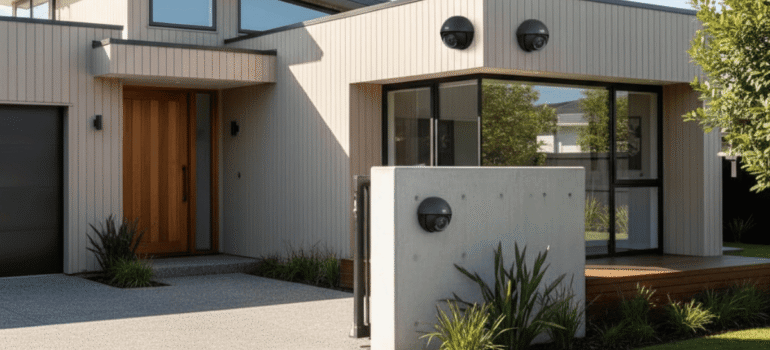
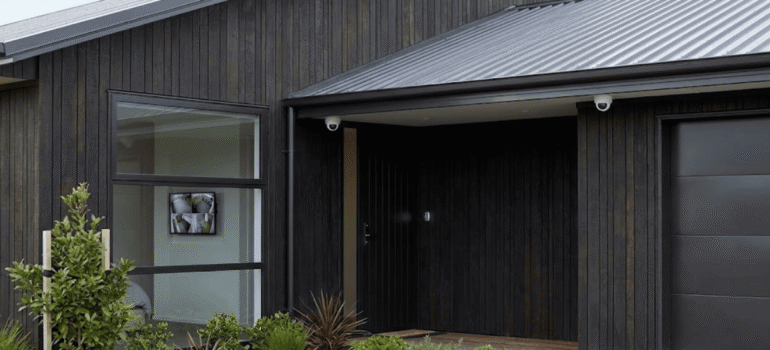
Professional CCTV Installation Auckland ensures cameras are positioned where they have maximum deterrent value rather than just decorative presence.
2. Clear Evidence When Claims Are Filed
When an incident does happen, insurers need facts.
CCTV footage provides:
-
Time-stamped evidence
-
Clear sequence of events
-
Visual confirmation of damage or behaviour
-
Reduced reliance on conflicting statements
This clarity reduces disputes, accelerates investigations, and strengthens legitimate claims — a key part of long-term security insurance benefits.
3. Reducing Fraudulent Claims
Insurance fraud costs providers millions each year. CCTV significantly reduces this risk.
Examples include:
-
False slip-and-fall claims
-
Exaggerated damage reports
-
Disputed delivery incidents
-
Staff misconduct allegations
Insurers favour properties where surveillance limits ambiguity. This makes CCTV a powerful risk-management asset rather than just a security tool.
Why Insurers Prefer Professionally Installed CCTV
Not all CCTV systems are viewed equally by insurers. DIY setups may help, but professionally installed systems carry more weight.
Insurers value systems that:
-
Are correctly positioned
-
Use reliable power sources
-
Have consistent recording
-
Include proper storage and backups
That’s why working with experienced providers like Rani Construction strengthens the credibility of your security setup when dealing with insurers.
If camera installation involves wiring or power adjustments, compliance is reinforced when handled by a licensed Electrician Auckland NZ.
Security Insurance Benefits for Different Property Types
Retail Businesses
Retail environments experience higher theft and liability risk.
CCTV helps insurers by:
-
Verifying shoplifting incidents
-
Reviewing customer injury claims
-
Confirming staff procedures
Retailers often combine CCTV with layout upgrades or Kitchen Renovation projects, ensuring surveillance adapts to new store designs.
Offices and Commercial Spaces
Office claims often involve:
-
After-hours break-ins
-
Equipment theft
-
Workplace incidents
CCTV footage supports insurers by confirming access times and movement patterns, improving claim accuracy and reducing disputes — clear security insurance benefits for long-term coverage stability.
Warehouses and Industrial Sites
Warehouses face higher-value claims due to:
-
Machinery damage
-
Stock loss
-
Vehicle incidents
In these environments, insurers often expect:
-
High-resolution cameras
-
Night vision
-
Secure storage
Routine equipment safety checks via Test and Tag also support safer conditions, further lowering claim risk.
Construction and Trade Sites
Temporary sites carry elevated risk. CCTV provides:
-
Monitoring of tools and materials
-
Verification of incidents
-
Protection during off-hours
Sites offering plumbing or renovation services benefit when CCTV complements Plumbing Services in Auckland by reducing exposure to water-related electrical risks that insurers closely monitor.
Environmental Factors Insurers Evaluate
Insurers don’t just look at cameras — they assess the environment.
Moisture and Structural Risk
Water ingress increases electrical and fire risk. If CCTV wiring runs near roofs or gutters, unresolved leaks can weaken security insurance benefits.
That’s why insurers value proactive maintenance such as Roofing Auckland NZ checks alongside surveillance upgrades.
Perimeter and Access Control
Properties with controlled boundaries are considered lower risk.
CCTV paired with physical security like Fencing Auckland or Fencing New Zealand creates layered protection — something insurers consistently favour.
How CCTV Influences Premiums and Policy Terms
While CCTV doesn’t guarantee lower premiums automatically, it often leads to:
-
More favourable risk assessments
-
Reduced exclusions
-
Faster claim approval
-
Lower excess requirements
These outcomes represent long-term security insurance benefits that compound over time rather than offering one-off savings.
Common Mistakes That Reduce Insurance Benefits
Even with CCTV installed, mistakes can weaken its impact on insurance.
1. Poor Camera Coverage
Blind spots limit evidence value.
2. Low Image Quality
Footage that can’t identify people or events may be rejected.
3. No Recording Retention
Insurers may request footage weeks after an incident.
4. Non-Compliant Electrical Setup
Unsafe power supply raises risk rather than reducing it.
Professional installation and maintenance prevent these issues and protect security insurance benefits.
Best Practices to Maximise Security Insurance Benefits
To get the most from CCTV in insurance terms:
-
Install cameras professionally
-
Maintain clear signage
-
Keep footage retention policies documented
-
Test equipment regularly
-
Combine CCTV with physical security
-
Address environmental risks promptly
These steps position CCTV as a genuine risk-reduction measure, not just a monitoring tool.
Conclusion
CCTV systems do far more than record footage — they actively shape how insurers view risk. The security insurance benefits of surveillance include fewer incidents, clearer evidence, reduced fraud, and faster claim resolution.
For NZ businesses and property owners, CCTV is not just about security — it’s about credibility. When insurers see well-planned, professionally installed systems backed by safe electrical and structural conditions, confidence increases on both sides.
With expert planning and installation from Rani Construction, CCTV becomes a long-term asset that protects people, property, and insurance outcomes alike.
📣 Stay Connected with RANI CONSTRUCTION
Looking to strengthen your security setup and improve insurance outcomes?
Follow Rani Construction for expert guidance, real projects, and compliance-focused solutions:
👉 Facebook: https://www.facebook.com/raniconstructionltd.nz
👉 Instagram: https://www.instagram.com/rani.construction.nz
Let’s create beautiful, functional spaces together.
In Case You Missed These Posts:
- Warning Signs of Pipe Damage in Auckland Homes
- Common Plumbing Issues in Auckland Homes
- Storage Ideas for Small Kitchens
- Choosing Countertop Materials: A Practical Guide for Homeowners
- Modern Kitchen Lighting Guide: A Practical Look at Today’s Kitchen Lighting Trends
- Testing Schedule Guide: How Often to Test Equipment Safely and Correctly
- Workplace Electrical Risks: Common Hazards in Offices, Warehouses & Sites
- Wired Wireless CCTV: Comparing Security Systems for Homes & Businesses