

Wired Wireless CCTV: Comparing Security Systems for Homes & Businesses
Introduction
Choosing the right security system isn’t just about cameras anymore — it’s about how those cameras connect, operate, and fit into your daily routine. That’s where the debate around wired wireless CCTV systems comes in. Both options have clear strengths, and both come with trade-offs that matter differently depending on whether you’re securing a home, office, warehouse, or construction site.
Some people prefer the reliability of wired systems. Others value the flexibility and quick setup of wireless options. This guide breaks down both approaches in practical terms, helping homeowners and businesses understand which system makes sense for their space, budget, and long-term plans.
Understanding Wired vs Wireless CCTV Systems
Before diving into pros and cons, let’s clarify the difference.
-
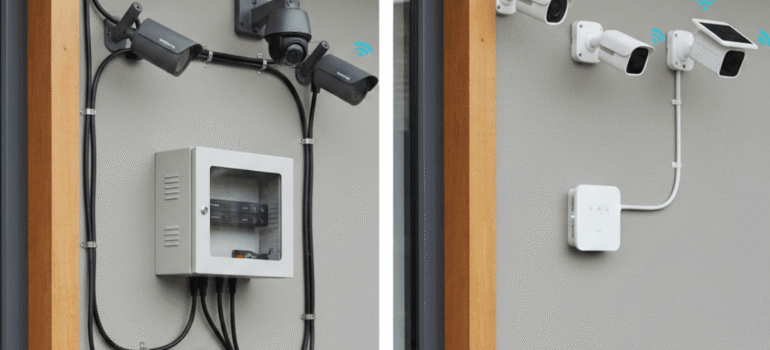
Wired CCTV systems use physical cables for power and data transmission.
-
Wireless CCTV systems transmit video data wirelessly (usually over Wi-Fi) but often still require power cables.
In any wired wireless CCTV comparison, it’s important to remember that “wireless” doesn’t always mean completely cable-free.
Wired CCTV Systems: Pros and Cons
Advantages of Wired CCTV Systems
1. Reliable Signal and Stable Performance
Wired systems are less affected by Wi-Fi interference, network congestion, or signal dropouts. This makes them ideal for businesses that require uninterrupted surveillance.
2. Better for Large Properties
Warehouses, factories, and large commercial buildings benefit from wired systems because cameras don’t rely on wireless range limitations.
3. Higher Video Quality Over Distance
Wired connections handle high-resolution footage more consistently, especially across longer cable runs.
4. Increased Security Against Signal Hacking
Since data travels through cables rather than open networks, wired systems are harder to intercept.
For commercial properties installing fixed systems, professional CCTV Installation Auckland ensures cabling is routed safely and discreetly.
Disadvantages of Wired CCTV Systems
1. Complex Installation
Running cables through walls, ceilings, or underground requires more labour and planning.
2. Less Flexibility
Once installed, relocating cameras isn’t simple.
3. Higher Initial Cost
Labour, cabling, and installation costs are usually higher upfront.
If installation involves drilling near plumbing lines, coordinating with experienced Plumbing Services in Auckland prevents accidental damage to water systems.
Wireless CCTV Systems: Pros and Cons
Advantages of Wireless CCTV Systems
1. Easier and Faster Installation
Wireless systems are quicker to install, making them popular for homes, small offices, and temporary setups.
2. Flexible Camera Placement
Cameras can be moved or added easily, which suits growing businesses or evolving layouts.
3. Remote Access and Smart Integration
Wireless cameras integrate seamlessly with mobile apps, cloud storage, and smart home systems.
4. Lower Upfront Costs
Fewer cables and less labour generally reduce initial installation expenses.
Many homeowners choose wireless systems as part of broader home upgrades or Kitchen Renovation projects, where minimal disruption is preferred.
Disadvantages of Wireless CCTV Systems
1. Dependence on Wi-Fi Quality
Weak or unstable networks can affect video performance.
2. Potential Interference
Wireless signals may experience interference from other devices.
3. Battery Maintenance
Some wireless cameras require regular battery replacement or charging.
For wireless systems running on electrical outlets, having a certified Electrician Auckland NZ assess outlet placement improves safety and reliability.
Wired Wireless CCTV: Which Is Better for Homes?
Homes and Residential Properties
Wireless CCTV systems often suit homes best due to:
-
Simple installation
-
App-based monitoring
-
Smart home compatibility
-
Minimal structural changes
However, larger homes or properties with outdoor coverage needs may benefit from a hybrid wired wireless CCTV setup for stability and coverage.
Outdoor camera placement near boundaries or access points often pairs well with security-focused upgrades like Fencing Auckland or Fencing New Zealand.
Wired Wireless CCTV: Which Is Better for Businesses?
Offices, Warehouses, and Commercial Sites
Businesses usually prioritise reliability and scalability.
Wired Systems Work Best When:
-
The site is large
-
Cameras must run continuously
-
Video quality is critical
-
Long-term monitoring is required
Wireless Systems Work Best When:
-
Layouts change often
-
Installation time must be minimal
-
Remote access is essential
Warehouses or sites exposed to dust, moisture, or physical impact may also require routine safety checks through Test and Tag to ensure camera power supplies remain compliant.
Environmental and Structural Factors to Consider
Building Structure
Thick concrete walls or metal framing can weaken wireless signals, making wired systems more reliable.
Moisture and Weather Exposure
Outdoor installations must account for rain and humidity. Roof leaks can introduce electrical risks, making Roofing Auckland NZ inspections important before installation.
Power Availability
Wireless cameras still need power. If outlets are limited, electrical upgrades by Electrician Auckland NZ may be required.
Hybrid CCTV Systems: The Best of Both Worlds
Many modern installations combine wired and wireless components. This hybrid wired wireless CCTV approach allows:
-
Wired cameras in critical zones
-
Wireless cameras in flexible or low-risk areas
-
Centralised monitoring
Hybrid systems are increasingly popular in NZ homes and businesses seeking balance between performance and adaptability.
Common Mistakes When Choosing CCTV Systems
-
Assuming wireless means no cables
-
Ignoring Wi-Fi strength
-
Overlooking future expansion
-
Skipping professional installation
-
Failing to consider electrical safety
Working with an experienced provider like Rani Construction helps avoid these issues by designing systems that suit the property from day one.
Conclusion
Choosing between wired wireless CCTV systems isn’t about which is better overall — it’s about which is better for your environment. Wired systems offer reliability and strength for large or permanent installations, while wireless systems deliver flexibility and ease for homes and smaller businesses.
By considering property size, network reliability, security needs, and future growth, you can select a system that protects your space effectively. And with professional support, your CCTV setup becomes a long-term asset rather than a short-term fix.
📣 Stay Connected with RANI CONSTRUCTION
Looking to secure your home or business with professional CCTV, electrical, or renovation services?
Follow Rani Construction for expert guidance and real-world project updates:
👉 Facebook: https://www.facebook.com/raniconstructionltd.nz
👉 Instagram: https://www.instagram.com/rani.construction.nz
Let’s create beautiful, functional spaces together.
In Case You Missed These Posts: