
Testing Schedule Guide: How Often to Test Equipment Safely and Correctly
Introduction
Knowing what equipment to test is only half the story. The real confusion for most businesses and homeowners comes down to how often testing should actually happen. Too frequent, and you waste time and money. Too infrequent, and you risk safety breaches, compliance issues, or equipment failure. That’s why a clear testing schedule guide is essential.
Different industries, environments, and usage levels all follow different rules. A construction site doesn’t operate like an office. A commercial kitchen doesn’t face the same risks as a residential home. This guide breaks down equipment testing frequency in a way that’s practical, compliant with NZ expectations, and easy to apply.
Why Equipment Testing Frequency Matters
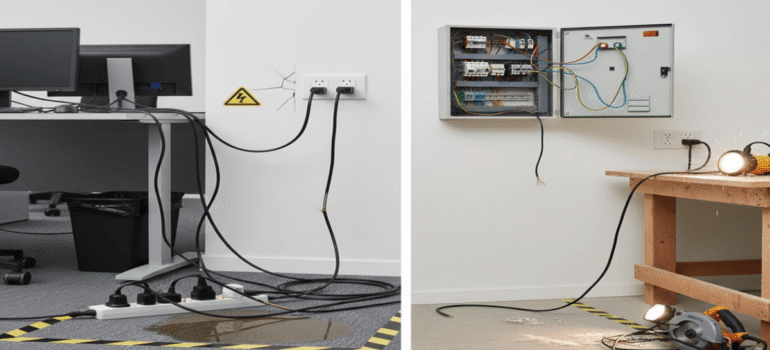
Equipment testing isn’t just about ticking a box. It protects people, property, and business continuity.
A proper testing schedule guide helps to:
-
Reduce electrical hazards
-
Prevent equipment failure
-
Meet workplace safety standards
-
Avoid insurance complications
-
Extend equipment lifespan
Skipping or delaying tests can quietly increase risk — especially in environments where equipment is heavily used or exposed to moisture, dust, or physical wear.
Key Factors That Determine Testing Frequency
Before jumping into industry-specific rules, it’s important to understand what actually influences how often equipment should be tested.
1. Type of Equipment
High-powered or portable electrical tools usually require more frequent checks than fixed or low-risk appliances.
2. Usage Frequency
Equipment used daily faces more wear than items used occasionally.
3. Environmental Conditions
Moisture, heat, dust, vibration, and outdoor exposure all increase testing requirements.
4. Movement and Handling
Portable equipment is more likely to suffer cable damage or internal faults.
5. Industry Regulations
Some industries have strict compliance expectations, while others allow more flexibility.
A good testing schedule guide considers all of these factors together — not just one.
Testing Frequency by Industry
Construction and Trades
Construction sites are considered high-risk environments due to frequent movement, harsh conditions, and heavy equipment use.
Recommended Testing Schedule
-
Portable tools: every 3 months
-
Extension leads: every 3 months
-
Fixed equipment: every 6–12 months
For construction companies managing multiple services — such as plumbing, electrical work, and renovations — compliance is critical. Businesses offering Plumbing Services in Auckland often work in wet conditions, increasing electrical risk and making regular testing essential.
Manufacturing and Industrial Sites
Factories and industrial facilities use high-powered machinery that runs for long periods.
Recommended Testing Schedule
-
Portable equipment: every 6 months
-
Fixed machinery: annually
-
Control panels and switchboards: annually
Environmental factors like vibration and dust play a major role here.
Commercial Kitchens and Hospitality
Commercial kitchens combine electricity, water, heat, and constant use — a high-risk mix.
Recommended Testing Schedule
-
Portable appliances: every 6 months
-
Fixed equipment: annually
Many hospitality environments also undergo renovation or layout changes. If your kitchen setup changes, working alongside professionals handling Kitchen Renovation ensures testing schedules stay aligned with new equipment placement.
Offices and Low-Risk Environments
Office environments are generally low-risk, but testing is still necessary.
Recommended Testing Schedule
-
Portable equipment: every 12 months
-
Fixed equipment: every 2–5 years
Despite lower risk, businesses still need documented testing to meet health and safety obligations.
Retail and Public-Facing Businesses
Shops, salons, and public venues experience frequent equipment handling and customer interaction.
Recommended Testing Schedule
-
Portable equipment: every 6–12 months
-
Extension leads: every 6 months
For businesses that also rely on security systems, combining electrical testing with CCTV Installation Auckland maintenance keeps operations safe and reliable.
Environmental Impact on Testing Frequency
Wet or Damp Areas
Bathrooms, kitchens, and outdoor spaces increase electrical risk.
This is especially relevant for projects involving Bathroom Renovations or plumbing-heavy environments, where water exposure demands tighter testing schedules.
Outdoor Equipment
Outdoor tools and appliances should be tested more frequently due to weather exposure.
If outdoor power points or equipment are located near boundaries or access points, upgrades such as Fencing Auckland or Fencing New Zealand may also be considered to improve overall safety.
What Happens During a Test and Tag Check
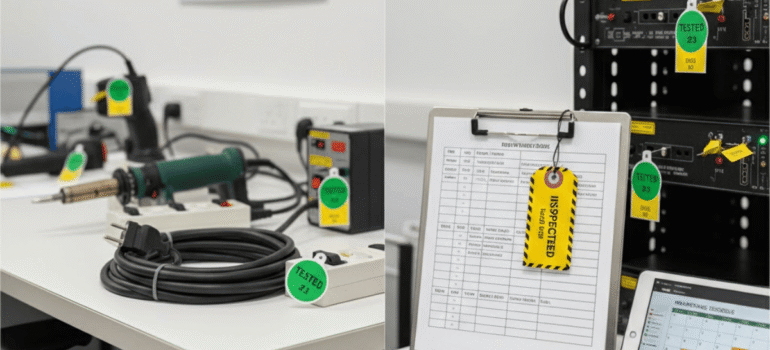
A proper Test and Tag process includes:
-
Visual inspection for damage
-
Electrical safety testing
-
Tagging with test date and due date
-
Documentation for compliance
Professional Test and Tag services ensure results are accurate, traceable, and compliant with NZ safety expectations.
Common Mistakes Businesses Make
Even with a testing schedule guide, mistakes still happen.
1. Using One Schedule for Everything
Different tools need different testing intervals.
2. Ignoring Environmental Changes
Moving equipment from indoors to outdoors changes risk level instantly.
3. Poor Record Keeping
Missing documentation can fail audits even if testing occurred.
4. Delaying After Repairs
Any repaired or modified equipment should be re-tested immediately.
How to Build Your Own Testing Schedule Guide
A simple process:
-
List all electrical equipment
-
Classify by usage and environment
-
Assign testing intervals
-
Schedule reminders
-
Keep records updated
For businesses managing multiple services — plumbing, electrical, renovations, roofing — working with a single trusted provider like Rani Construction helps centralise compliance and safety management.
If your facility has structural concerns or water ingress risks, addressing issues through Roofing Auckland NZ can also reduce electrical hazards over time.
Conclusion
A clear testing schedule guide removes guesswork from equipment safety. By aligning testing frequency with industry standards, usage patterns, and environmental risks, businesses can stay compliant without unnecessary disruption.
Regular testing isn’t about overdoing safety — it’s about applying it intelligently. With professional testing, proper documentation, and timely reviews, equipment stays safe, reliable, and ready for use.
📣 Stay Connected with RANI CONSTRUCTION
Need help with electrical safety, renovations, plumbing, or compliance services?
Follow Rani Construction for expert insights and real-world project updates:
👉 Facebook: https://www.facebook.com/raniconstructionltd.nz
👉 Instagram: https://www.instagram.com/rani.construction.nz
Let’s create beautiful, functional spaces together.
In Case You Missed These Posts: